One of the things that makes poly hard, as we often say, is that there’s very little guidance. Monogamy in something like its current form has been going on for over a century (depending how narrowly you define “its current form”), and there are shelves and shelves of books and entire journals of research devoted to it. This wealth of resources means people who are dealing with challenges in their monogamous relationships have a lot of wisdom and outside perspectives to draw on. You can find books on marriage from within just about every religious and philosophical tradition, and addressing just about every conceivable problem. Polyamory’s not there, and it adds an extra layer of difficulty to problem-solving when you only have a few places you can go for the aforesaid wisdom and outside perspective.
We need research and clinical insight, but we also need some in-the-trenches views, words of wisdom and experience from people who have struggled, succeeded, failed, changed, and thought long and hard about their experiences and what lessons to take away. More Than Two, by Franklin Veaux and Eve Rickert, is a strong entry in this gap. At different points while reading it, I felt reassured that my mistakes and struggles are more common than I thought; I felt challenged to work on the weak spots I have that could hurt my partners and metamours; I felt reaffirmed in my belief of how joyful and worthwhile this life I’ve chosen can be. I strongly recommend the book to anybody practicing or considering polyamory — and I think the first several chapters are great for relationships of any kind.
More Than Two is a practical guide, rooted in strong principles. The people in the relationship are more important than the relationship. Don’t treat people as things. These two foundational ethical principles are laid out near the beginning and returned to again and again, but there are other core principles at work in the book. Trust is essential. Growth is good. Change isn’t bad. With these and other principles as its bedrock, More Than Two gives concrete advice and insight on most of the common aspects of poly life.
Most poly advice falls on one of two sides: the rigid, “There are right ways and wrong ways, and this is the right way!” or the wishy-washy, “Whatever works for you, if it makes you happy it’s right!” For the most part, More Than Two steers clear of both of these camps. It is unapologetic about its core ethical principles, and often expresses firm opinions about whether a particular poly pattern is helpful or harmful in general, but it spends a lot more time on the reasons behind the opinion than the opinion itself. You get the sense that the goal is not to argue to a conclusion (as is often the case when someone is preaching a This Is The Right Way message), but to lay out as much information and analysis as possible, and let the conclusion speak for itself.
So, when discussing hierarchy, it doesn’t say, “Hierarchy is great!” or “Hierarchy is terrible!” It says, “Here are some common reasons why people want to establish a hierarchy de jure, and here are some issues that frequently come up in enforcing it, and here are some common ways that people can be hurt and expectations can be shattered in those situations.” It’s pretty clear that the authors don’t think enforced hierarchy is a good idea, but they lay out their view based on experience and principle, and they construct their argument such that a couple who’s hierarchical and proud of it could still take away valuable insights for making their relationship the best hierarchical relationship it can be.
In addition, Veaux and Rickert are careful about language in a way that pleases my communicator heart. When they talk about controversial subjects like hierarchy and veto, they clearly lay out what they do and don’t mean by those terms. They also point out a number of commonly-used words, such as “respect,” that tend to lead to trouble because of how ill-defined they are. Rather than just reinforcing the old poly chestnut “Communication is essential!” they dig deep into the details of what aids communication, what obscures it, and the ways communication can slip into coercion.
If I’m making the book sound dry, it’s not. It’s filled with rich and vivid metaphors that illustrate the concepts involved and inspire creative thinking about them, as the best metaphors do. And nearly every chapter has a personal story, sometimes about the authors’ relationships, sometimes about other people they’ve been close to. Some of the best insights and quotes come from within the stories, as the principles under discussion are brought into messy real-life situations.
Since I am in a de facto (although not de jure) primary relationship, and most of the people in my extended network are as well, I can’t speak to how thoroughly the book addresses the needs and experiences of people doing solo poly or other structures. I do know that the authors were making deliberate efforts to avoid couple-centric language and to reflect the wide range of poly structures, and as far as I can tell they did a good job of this, but because of my perspective I’m less likely to notice weaknesses in this area. What they definitely do well is calling out the double standards and assumptions that often come into play when there is a primary or domestic couple. Even though I think of my relationship as pretty resistant to hierarchical assumptions, I found several moments where I had to stop and think, “Huh… I do that. How do I feel about it?” Again, I didn’t feel scolded for slipping into some hierarchical behaviors — I felt challenged to think about those behaviors, the values underneath them, and the unwanted effects they might have.
Ultimately, the thing I value most about the book is how honest it is about the hard stuff. The personal stories tell about big mistakes, big hurt, big betrayals. It does not flinch from talking about the losses and changes that can happen as a result of poly. We in the poly community have been working hard to convince the world (and sometimes our own voices of self-doubt) that polyamory can be a healthy, happy, fulfilling way to live, and as a result we tend to downplay the agonizing choices, shattering mistakes, and relentless parade of “learning experiences” that come with the territory. Then, when things do go badly, we tend to feel alone and ashamed, like we’re the screwups who are letting the entire poly community down by having actual serious problems and making actual serious mistakes. (Did I say “we”? Obviously I’m talking about myself here, but I’m pretty sure I’m not the only one.) More Than Two makes it clear that actual serious problems and actual serious mistakes are part of everybody’s poly experience. That the hard times are survivable, and that what matters is facing up to them with honesty, courage, and compassion.
In an earlier post, I set about writing some basic guidelines for how we are and are not obligated to treat people to whom we’re linked by a mutual loved one: in-laws, metamours, close friends of lovers and lovers of close friends, etc. In a nearly unprecedented act of follow-through, I’m back as promised to discuss some situations that often complicate those relationships. These don’t erase or supplant the obligations I outlined in the first post; they provide extra considerations, and sometimes extra obligations for at least one person involved.
Jealousy
While we tend to think of jealousy as primarily a factor in metamour relationships, the truth is it can be involved in any of the others as well. It might not be specifically sexual jealousy, but the fear that a loved one’s other relationships will threaten our own, the fear of being supplanted, of becoming unnecessary, of being suddenly found lacking and cast aside — those can factor into any kind of close relationship. The role of jealousy in friendships is much bigger than usually gets acknowledged; quite recently I was having a conversation with a monogamous friend about some relationship tensions with his best friend and new boyfriend, and I found myself using a lot of poly-derived insight, as the feelings involved were very similar.
Jealousy is a common human emotion, and its presence doesn’t mean that anyone involved — the person feeling it, the person triggering it, or the mutual loved one — is a bad or inferior person. It just means that someone’s core insecurities and abandonment fears were triggered, and that needs to be dealt with. There are tons of resources on managing jealousy in the poly community, and a lot of them will be helpful in non-romantic contexts as well.
When we’re jealous of someone, the overwhelming urge is to want them out of the picture. We’ll be looking hard for any signs that they’re unlikeable, wrong for our loved one, gross and smelly and mean. We need to be aware that there’s a pretty strong cognitive bias in play. This is where expressing but not endorsing those feelings of jealousy becomes really important. Trying to sweep the jealousy under the rug, because we feel we should be better than that, is only ever going to backfire as the core insecurities are left unaddressed. But letting the feelings rule our rational assessments is going to result in some severely distorted judgement about the person we’re jealous of. In my experience it’s best when we can say, “I’m feeling a lot of jealousy toward this person right now, so I’m not able to assess them fairly. I’m going to work on coping with the jealousy before I actually decide whether I like them or not.” That might mean not meeting them or spending much time around them while you’re working on it. Or it might mean spending more time with them (sometimes this can help with jealousy), but recognizing that jealousy is a contributor to any feelings of dislike you may have toward them.
Sometimes you’re on the other side, aware that a loved one’s loved one is jealous of you. In these cases, the best thing to do is stay out of it unless you’re brought in. Although it doesn’t feel like it, jealousy is always about the two people in a relationship, not the third party that someone is jealous over. When we’re aware that someone is jealous of us, it’s common to feel some combination of guilt, anxiety, and resentment. Assuming we haven’t done anything wrong, it’s useful to remind ourselves that the presence of jealousy doesn’t mean anyone — ourselves or the person feeling it — is a bad person. It’s for our loved one and their loved one to work out between themselves.
We’re not obligated to efface ourselves or make ourselves scarce in order to accommodate someone else’s jealousy. If a loved one’s loved one is demanding accommodations that make us feel unloved, undervalued, or second-class, it’s okay to stand up for our own needs. That said, it’s helpful if we can show some compassion for the person feeling jealousy — if not for their sake, then for our loved one’s. I’ve had a partner express contempt and resentment for another partner’s jealousy, and it made the whole situation many times more emotionally stressful for me. Remember that your loved one cares about both of you, and likely feels some pain and distress about the pain that their jealous partner is feeling. Don’t make that worse by putting yourself in an adversarial stance.
Where there is a difference of beliefs and values
There’s a special kind of tension that comes in when one person disapproves of a loved one’s loved one on some kind of moral, religious, or philosophical ground. This often happens when adult children develop different beliefs and values than the ones they grew up with, and then have friends and lovers who come from one religion or value system, while their family of origin comes from a very different one. It also happens in other ways, such as my friend’s formerly liberal mother-in-law becoming an evangelical Christian, and newly having issues with her adult child’s queerness.
Obviously some people can get along just fine with big ideological differences between them. They can adopt a “live and let live, if it works for you, sing your own special song” kind of mindset, and it doesn’t cause a lot of relationship tension. For many people, though, their beliefs are a matter of what’s right and wrong, true and untrue about the world, and it’s not so easy — or even desirable — to just let things go. This can be true for liberals and conservatives, Christians and Muslims and pagans and atheists. At some point, it will come up, and in addition to any personality conflicts, the mutual loved one might find themselves in the middle of a fraught conflict of ideologies.
This can get especially sticky when the mutual loved one’s evolving values are attributed to the presence of other loved ones in their life. A young adult shifts religious beliefs around the same time they start dating somebody in their new belief system, and their family and friends feel that the new lover is responsible for the change in belief systems. The personality and character of the new partner (or close friend) are completely eclipsed by the fact that the older friends and family feel that their loved one is being somehow stolen from them and lured into a new value system. They react to the person from a place of threat and often anger, thinking that if they weren’t in their loved one’s life, their loved one would go back to sharing their values and beliefs.
Occasionally this is true. People do shift their beliefs and values in response to the people close to them, especially lovers but also friends and social groups. It does sometimes happen that someone shifts beliefs radically to match a new lover’s, and then on breaking up returns to their former beliefs. Much more often, though, a person’s beliefs and values start to shift, and then they find new friends and partners who match them; or a new person in their life shows them the way to a new identity that fits them much more comfortably than the old one. In other words, the new person’s presence in their life is more a result of their own changing values than a cause of them.
Regardless of the order of operations, little good usually comes of trying to separate a loved one from a new friend or lover because we disapprove of their values. In saying that the new person is responsible for the change, we are denying our loved one’s agency and responsibility for their own life. While we may not mean to, we are implying that they’re easily swayed and that their convictions aren’t sincere, and this implication is usually felt by our loved one. It’s a quick path to resentment and bitterness — even in the rare cases where our suspicions are correct.
The essential principle, then, is to separate your feelings about your loved one’s changing beliefs from your feelings about new people in their lives who share these beliefs. Assume your loved one came to be where they are for their own reasons. Get to know their new loved ones as people, not emblems of your loved one’s change.
Things get even harder when the relationship itself goes against the beliefs or values of the older family and friends, such as when someone from a conservative background is in a same-sex or non-monogamous relationship. The temptation for older family and friends to view the new partner as a symbol of their loved one’s new value system is even stronger when the very nature of the relationship goes against the old value system. If they want to maintain a positive relationship with their loved one, though, they will do their best to separate the idea from the person. I’ve known conservative parents of gay children who do fairly well at this; while they still have don’t believe that same-sex relationships are morally right, they get to know their child’s partners as people in their own right, and acknowledge the ways those partners bring happiness to their child. There’s still a lot of pain in that situation for everyone, but there are also positive connections and loving bonds.
People have a right to believe what they believe. They even have a right to believe wrong, untrue, and harmful things. They don’t have a right to have those beliefs go unquestioned or unchallenged, but in the context of a close relationship, questioning and challenging each other’s beliefs usually goes best when our beliefs are pretty closely aligned in the first place and we’re just working out the details. Arguments between a queer liberal agnostic and their conservative Protestant family members are rarely going to be productive (I have a fair amount of first- and second-hand experience to back this up.) Often, we have to make a choice: is it more important to bring our loved one around to our views, or to maintain a relationship that has space for our differing views? If we invest all our effort into trying to change them, rather than building the best relationship we can with them as they are, we’re likely to find that the relationship itself crumbles.
When the other relationship is troubled
It’s challenging when someone you love is in a troubled relationship with someone else, especially if you often play confidant or advisor to your loved one. Whether it’s a matter of a specific conflict that’s causing strife in an otherwise balmy relationship, a persistent discord that comes up repeatedly, or an ongoing pattern of unhealthy interactions, this can be a tough situation to navigate cleanly.
Some people make the mistake of rooting too hard for the relationship: “But you guys are so great together! I’m sure it’ll sort itself out. Just give them another chance.” Sometimes, a person needs to be able to really imagine ending a relationship, even if ultimately they’ll end up staying in it. (None of this is exclusive to romantic relationships; close friendships and even blood relationships sometimes need a hard look at whether they’re really serving the people on both sides.) Sticking with a relationship because the alternative is inconceivable is not a recipe for healthy relationship growth and change; it’s much better when both parties can honestly reassess and think, “On balance, is this person still someone I want to have this intimate relationship with?” But it’s hard enough to do this calculation on one’s own; being surrounded by friends who view the relationship as inviolable makes it that much harder.
On the flip side is the mistake of seizing on the trouble as a reason to advocate for ending the relationship. Obviously, this is going to be especially tempting if you generally dislike the other person, and even more so if there are the jealousy or value-difference issues discussed above. Raise your hand if you’ve never felt that little surge of glee when someone you love is talking about a conflict they have with someone you’re jealous over. Go on, I’ll wait.
Nobody? (I hope nobody, or very few people, or suddenly I’m going to feel like a much worse person.) It is very, very hard not to engage in some serious motivated reasoning at this point. Instead of listening openly to what our loved one is saying, we’ll seize on every negative thing they say as evidence that their relationship is terrible and the other person is terrible and clearly it will be best for everybody if they end it. Best for everybody, not just for you, although obviously it would be nice for you, but that’s not the point, because you’re just looking out for your loved one, and clearly they’re unhappy…
Yup, very tempting. So the first responsibility I believe we have is to be very aware of our own biases when we’re talking with a loved one about their conflicts in another relationship. And the stronger those biases are (whether positive or negative) the less we should say about the situation.
On the flip side, it can be hard to think positively about a loved one’s loved one if all we hear are complaints and struggles. There’s a pattern that can develop when friends complain to each other about their partners, looking for support and validation and commiseration, but rarely talk about the good things and happy times the partners bring. Over time, this can sour each person’s view of the other’s partner(s), even if they initially liked them. A lot of the responsibility here is on the person doing the complaining, but we can help by noticing when the dynamic is developing and calling it out. “Hey, I’ve noticed that lately all I’ve heard is bad stuff about Jordan. Do you think there’s a problem, or are you just venting when you’re upset and not bothering to mention when things are good?” Obviously, this is also helpful because if our loved one hasn’t been happy in the relationship for a while, explicitly acknowledging that is the first step towards actually changing something.
Being a good confidant for a loved one in their other relationships requires a lot of judgement, self-awareness, and emotional management. I don’t think it’s something we should ever feel obligated to do. If it’s making it too hard to think charitably of the other person, or if it’s causing stress because we’re invested in the success of the other relationship, or if we’re starting to feel that our relationship is being coopted by all the time spent troubleshooting the other one, it’s fine to draw boundaries around how much the other relationship gets talked about. Having other people as a sounding board is helpful when a relationship is troubled, but ultimately it’s something that needs to be worked out between those two people.
When there was a previous intimate relationship
For most of these two posts I’ve been talking about a situation where the mutual loved one brings two people together who had no previous connection. Things get even stickier when you have had an intimate relationship with someone else, that relationship is now broken or estranged, but you’re still bound together by the people who love you both. It’s probably most common with acrimonious divorces and breakups, but it can also happen when there’s a major falling-out or betrayal in a friend group, or when a child is disowned by their parents and some of the siblings try to maintain good relationships with both the parents and the disowned sibling.
In the other cases we’ve discussed, it’s natural for your relationship with the other person to center around your mutual loved one, at least in the beginning stages. In this case, though, your connection with the other person is independent from both your connections with the mutual loved one. The important thing to do is keep it that way, as much as possible. Sometimes this is hard, especially when the mutual loved one is the only thing keeping you in touch with someone you could otherwise write out of your life. But the history between you is still between you, and doesn’t involve them.
It’s easy to fall into a zero-sum mentality: the mutual loved one can’t possibly love and respect both of you, so any affection or positive feelings the mutual loved one expresses toward the other person must negatively reflect on you. At some level, hopefully, you know that’s not true, but it’s easy to feel that way. When that twinge comes up, name it: “I’m unhappy because our mutual loved one said something nice on Kim’s facebook wall, and because Kim and I have such a bad relationship I feel like that reflects on their love for me somehow.” And then remind yourself that that’s not true, that this is not some competition where your loved one has to pick sides, that their feelings toward Kim actually have nothing to do with their feelings toward you.
This is one case where graciously accepting the other person’s presence at your loved one’s special occasions may not be possible. While it’s good to make the best of being around each other if you can… sometimes you can’t. Sometimes it hurts too much. My general rule here is that you get to set, and express, your own boundaries for whether you will or won’t put yourself in the same space as somebody. You don’t get to tell your loved one who they can and can’t invite to something (or guilt-trip or coerce them into inviting or not inviting someone.)
“Hey, I’d really like to come to your party, but I can’t if Kim is going to be there” puts your loved one in an awkward and unhappy position, so only use it when being around Kim is really going to negatively impact your mental health. The more important and singular the occasion (weddings, graduations) the harder both people should try to suck it up and be there for their loved one, but even in those cases there are times when a person shouldn’t be blamed for saying “Sorry, I just can’t.” The important thing is to leave your loved one with a free choice about what to do in that situation: if you put it as a dilemma between inviting you or inviting the other person, they should get to make that decision without additional guilt or pressure from you (or, of course, the other person.)
You and your loved one also each need to set boundaries on how much you talk about the other person. In general, they are not the best person to complain about your ongoing issues with the other to, and you are not the best person for them to tell happy stories about the other to. If you want to make space in your relationship for some of that talk, you need to communicate very explicitly about what each of you can and can’t handle hearing.
Community
In our individualistic culture, there’s a lot of writing and talk about relationship skills, where the focus is on the way two individuals connect. What I’ve been writing about here — and will probably continue writing about, because it’s becoming increasingly interesting to me — are community skills, where we’re dealing with larger networks of people and the ways all of their needs and feelings interact. I think there are ways to build stronger, healthier communities without sacrificing the individual freedom and autonomy of the people who make them up. Creating workable relationships with our loved one’s loved ones is a first step; whether we like them, tolerate them, love them or hate them, they’re part of our community, and we can improve the lives of everybody involved by treating them decently.
Don’t you wish you could strut, proudly, through the streets of your town showing everyone how awesomely cool you are?
Finally, a solution has come. Finally, you can wear polyskeptic jewelry.
You can get them as earrings:
Also, you could just get it as a pendant, a bracelet charm, or possibly as some sort of genital decoration if you ask nicely. I’m not telling you what to do with yours, but you can’t do anything with them unless you act now!
Oh, you might want to know where to get them. For that, you will need to go over to LoveInfinitelyGifts, specifically this page:
I’m not telling you what I’m going to do with mine, because this is a family show. But whether or not you are going to cringe or get all hot and botehred while pondering that, you will need a pair or two for all of the atheist, polyamorous skeptics in your life.
This post by the always-excellent Captain Awkward got me thinking. It’s about an adult daughter whose parents began a polyamorous relationship with a third woman, who now lives with them (the parents, not the daughter). The parents and new partner are all trying to get the adult daughter to develop a close relationship with the new partner, and the daughter is balking. I think the Captain’s advice is sound, and I appreciate that she mostly approaches it like any step-parent relationship, which in essence it is, while also giving a nod to the fact that the non-monogamy aspect is playing a role in the daughter’s reactions. I don’t want to talk about that situation in particular, but it got me thinking about the larger question of what is reasonable and unreasonable to expect when it comes to our families and our partners, especially when we have more than one.
Some people would argue that it makes no difference whether we have one partner or multiple partners; our families should treat them all the same way. I have sympathy for the argument but I think it omits a lot of complicating factors. Even setting aside families that flat-out disapprove of non-monogamy (which is its own can of worms to deal with), the reality is that our culture has some deeply engrained assumptions about what love and commitment and exclusivity mean. For most of us, it took a fair amount of mental and emotional work to overcome those in ourselves; it is unreasonable to expect our families to just dump all their engrained beliefs about non-monogamy and behave the way we want them to from the get-go. And especially if our relationship was monogamous or de facto monogamous for some years, they likely have a level of investment in our first partner, and are going to have weird, complicated feelings about the way a new partner fits in. So I think there needs to be some delicacy in how we handle our family’s relationships with poly partners.
I have also, for a long time, said that in-law relationships are the best analogue we have for metamour relationships, in a lot of cases. We’re connected to somebody primarily on the basis that we both love and are loved by the same person; beyond that, we may have a lot in common and be great friends, or we may grate on each other at every encounter. The tools for handling in-law and metamour relationships are often similar.
With all that in mind, I want to lay out what I feel like are a reasonable set of expectations for how we treat loved ones of loved ones, whether we’re connected to them by blood, romance, or just intimate friendship. I’m going to first lay out my outline of what I think we are and are not obligated to do with regard to our loved one’s loved ones. Then I’ll dig deeper into the thoughts and principles that back these obligations. This post is going to be very general in addressing relationships of all kinds, and in a following post, I’ll write about specific situations that add an extra layer of difficulty or complexity, such as jealousy and differing values or beliefs.
With loved ones of loved ones, I believe we are obligated to:
acknowledge that person’s place in our loved one’s life
make an initial effort to get to know and like them; if the relationships last for many years, make repeat efforts every few years or so if the first ones didn’t take
do our best to understand the good things that that person brings to our loved one’s life, and even if we can’t understand it, accept that there must be some
accept with grace their presence at events our loved one is hosting or that are in our loved one’s honor, such as birthdays
show them basic courtesy and consideration whenever we are thrown together
avoid speaking negatively about them to our mutual loved one, unless there is a specific problem that needs to be solved
give our loved one room to speak happily about them from time to time
I believe we are not obligated to:
actually like them or love them, or pretend that we do
spend one-on-one time with them or interact deeply with them
hear about them every day or every time we see our loved one
accept their presence at events we are hosting or that are in our honor
Obviously, most of these are bare minimums, designed for situations when we and the other loved one don’t get along. For the most part, I think they apply even when the other loved one is not behaving well; when they’re openly hostile or passive-aggressive toward us. In those cases, the mutual loved one may have some responsibility to intervene or at least to avoid putting us in the position of having to see much of each other.
Relationships are not just between two people; most of our relationships exist in a communal context of some kind. We see our friends and families in groups at parties, holidays, vacations, weddings. There’s a particular joy in being surrounded by multiple people you love and like, whether it’s three people or thirty. Even my introverted self delights in the feeling of connection and support when I’m with people who all know different pieces of me, who are all there for me in different ways. When everybody in a room is getting to enjoy the same feeling — “Here I am, surrounded by people I love and like and who love and like me” — that’s real community, and it’s a beautiful thing.
Of course it doesn’t always work out that way. Just because I love Alex and Bryce doesn’t mean Alex and Bryce will like each other, or even be able to stand each other. When my loved ones don’t like each other, it means that for me to be surrounded by the people I love, at least some of those people have to be spending time with someone they dislike.The more intimate and prolonged the setting (and the greater the dislike), the harder a burden this is on them. So a balance needs to be struck.
In general I believe that we should do what we can to make our partners happy — but not to the extent of abandoning our own sense of self or making ourselves miserable. This is why I say that we should make an initial effort to get to know and like loved ones of loved ones, and should make repeated efforts over the years if the first one didn’t go well. People grow and change, and two people that clash horribly at 20 may able to be great friends at 35. If we can give our loved one the gift of liking the other people they love, we should do so. (Usually the reason we might resist this, and develop an antagonistic relationship with someone we would normally like, has to do with jealousy of some kind, which I’ll talk about in the follow-up post to this.)
However, I’m pretty ferociously in favor of people’s right to feel the way they feel, and not be pressured — by themselves of others — to fake or force feelings just for someone else’s convenience and happiness. If you don’t like someone, you don’t like them, and piling on guilt and obligation isn’t going to make those feelings go away. Your loved one’s love for someone shouldn’t compel you to spend massive amounts of time in their company.
In most cases, I think it’s fair that I should get to have the people I love most near me at important, celebratory occasions that are about me, and that they should all make the effort to make the experience as pleasant and free of strife as possible: thus the obligations to accept the presence of our loved one’s loved ones at such events, and to show them basic courtesy. (The possible exception to this is when there’s a deep history of hurt between the two outlying loved ones, such as a divorce or breakup. I’ll discuss that situation more in the follow-up post.)
At the same time, Alex and Bryce should get to celebrate their important events and milestones surrounded by people that they love and like, and it’s unkind for me to impose them on each other if they strongly dislike each other, especially if it’s a very small gathering where they’ll have a harder time avoiding each other.
In US culture, at least the part of it that I inhabit, there’s a very strong pattern of viewing people who are married, living together, or long-term monogamous partners as a social unit. If one person is invited to a thing, the other one is assumed to be invited as well. In many circles, in order to have a party or group event with one half of a couple and not the other, you have to designate it a “girls’ night” or “guys’ night” — which doesn’t work so well if the couple are the same sex, or if the friend group isn’t segregated into men and women. I have a whole host of thoughts on the social unit trope, which I’d like to write about separately, but in brief: I’d love to see the assumption that people have to travel in pairs loosened, for a whole host of reasons. It sucks for poly people, at least those not using a primary-secondary model, and it sucks for single people, and it sucks for loved-ones-of-loved-ones everywhere who don’t really want to spend an evening together but can’t let go of the assumption that an invitation to one person must include an invitation to their partner.
Going back to the the list of obligations: for many of us, part of having a close relationship with someone is sharing what’s on our mind, what’s exciting and interesting and important to us. And in many cases that involves talking about another person we care about — whether it’s “Jamie did the nicest thing the other day” or “Kim and I keep fighting about this one thing.” This is normally not an issue, but when the person we’re talking to hates Jamie or Kim, suddenly it’s a huge deal. Even if they want to be supportive, they’re going to have to be managing their own feelings about Jamie or Kim while listening. Again, a balance needs to be struck between “I can’t ever talk about Kim because Jamie hates hearing it” and “Every time I hang out with you it’s Kim this and Kim that!” Where exactly the balance falls is something that should perhaps be explicitly negotiated and discussed.
Another thing that makes these relationships fraught is the implicit value judgement in saying, “I dislike this person that you love.” Are we saying that we think their judgement and taste in friends is lacking? Even if we don’t mean that, are they going to think we do? Saying something like, “I don’t know how you can stand Dallas,” or “I don’t know what you see in Shelby,” can come awfully close to saying “What’s wrong with you that you like this person?” And “what’s wrong with you that you feel X?” is pretty nearly always damaging to hear from a loved one.
So while I think it’s important to own and acknowledge our feelings about our loved one’s loved ones, whether they’re positive or negative, I also think we need to be careful not to make the false jump from “I dislike Jamie” to “Jamie is a sucky person.” A key hallmark of maturity is being able to separate personal, subjective feelings from objective realities. To say that another person is unbearably annoying is true, as long as I’m only making a claim about their effect on me. I can find someone unbearably annoying, while someone else finds them funny and adorable, and neither of us has to be wrong. Even with more arguably objective traits, such as how self-centered or intelligent or polite a person is, we each have our own priority list of the things that make someone likeable and worth spending time with, and our lists will likely not match perfectly with our loved one’s lists.
This is why I say we should make an effort to understand and appreciate what our loved one values in the other person. If you’re like me, it’s really fun to spend time doing the, “Oh, I see, to YOU it’s really important that someone be self-aware and socially skilled, while I don’t really care about that as long as they’re kind and well-meaning” kinds of calculations with your loved ones. You get to figure out what qualities are important to you in your friendships and what’s important to your friends in their friendships, and how all those things dovetail and intersect. Even if dissecting personalities isn’t a hobby of yours, it’s worth taking the time and effort to notice at least a few positive qualities in the loved ones of people you love. It helps build a barrier against the resentment you might feel at the way this person hits your own personal buttons, it protects both you and your loved one from feeling like your dislike of that person is a negative pronouncement on your loved one, and — most importantly to me — it exercises your understanding that your loved one is a distinct person from you, with values and needs and interests that are different from yours, and that you need to be able to acknowledge and honor those things if you are going to love them effectively.
Overwhelming emotion has been a story of much of my life. From a bad temper as a child to the likelihood of anxiety and traumatic memories suddenly paralyzing me or causing dramatic behavior today, it is a thing I deal with most days. I can be calm one moment and in a minute I can be full of flurries of fear, hurt, and am shaking so much that it’s hard to type. This, in fact, happened to me while I was composing the draft of this blog post, because I received news that triggered fear, anxiety, and anger in me. I had to walk away from the post for several hours before continuing, knowing that had I continued as was, the post would have been full of anger. Parts may still contain a bit of that.
The Cause
The neuroscience of BPD says that borderlines tend to have smaller amygdalas, and when a stressful stimuli occurs what happens in the parts of the brain responsible for emotional managements (amygdala included) is that it acts sort of like a small engine which revs up really fast, putting the person in a situation where they pass the appropriate level of emotion for that situation and often towards emergency levels of emotion. This, combined with the decreased activity in the pre-frontal cortex, where executive decision making, complex problem solving, and the ability to cognitively distinguish between nuanced ideas happens, causes a potentially explosive situation.
It’s like having the fight/flight reflex happen merely at hearing bad news. Wait, no, it’s not merely like that; that actually happens to me sometimes..
This state of affairs leads to a mood where impulses become much more problematic. For me, these impulses feel like swimming within an ocean of a new mood which I am drowning in. It’s like I was suddenly inundated with the waters of fear, anxiety, etc and the sudden desire to say something, do something, or hide in a corner alone is like being near something which is floating. To have the wherewithal to recognize that I’m not actually drowning and the floating thing is actually a hungry bear is a difficult challenge.
These sudden changes in the emotional environment within me may persist over an extended period of time, which for me is usually hours rather than days or longer (as with, for example, bipolarity, where the mood may last for weeks or longer.). Often, the mood will pass within minutes, depending on the severity and the cause. Adjusting to the emotion, allowing it to calm over time and through positive stimuli (affection usually helps), and preventing it from perpetuating via re-engaging the triggers all help avoid giving into the impulses.
Essentially, radical mood swings can sometimes mean going from calm to crazy in a few seconds. And because the parts of the brain responsible for emotional control and rational thinking are suddenly compromised, suddenly and often without much warning, one doesn’t always have time to prevent the emotion from taking over. The real strategy is to avoid triggering stimuli where you can, which can hard when sometimes that stimuli is a memory or a person (who might show up at any time at a social event, for example).
While there are medications which might help with this, for many borderlines the medication sometimes has little to no effect or the side effects may be worse. I am currently on no medication, and given my progress I am not convinced that I will need to start taking them. I will continue to monitor how mood shifts continue in the future, and re-evaluate whether I might want to consider medication in the future as that monitoring continues.
Stress, Anxiety, and Trauma
Being me, some days, is like walking around with a box full of fireworks in a warehouse partially on fire. If I pay enough attention, am diligent and careful, and if the fires around me are not too close, I will be fine. Triggers can range from specific people, being treated a certain way, having plans I was looking forward to cancelled, etc. One minute I’m fine, but hear some news, see a person, or am reminded of something painful. The next thing I know I’m (at worst) crying, alone, fighting of really strong impulses which will probably not end well, even if they are sometimes meant with the best intentions.
I don’t always succeed in resisting such impulses. Sometimes the radical mood shifts lead to dramatic behaviors. Sometimes it just leads to periods of depression punctuated by moments of intense hurt, unloving behavior towards people I genuinely care about, and further distance from everyone.
We all have things which cause anxiety, stress, and many of us have traumatic memories. I have lots of all of these. One specific traumatic event which happened shortly after college and involved a woman who I was engaged to, a daughter we had and gave up for adoption, and my finding out that my fiance had taken me for every cent I was worth and put me in massive debt was probably the major event that pushed me over the line of being diagnoseable (although it was years before I was diagnosed).
And as more traumatic life circumstances perpetuated, the amount of raw emotion present in my day-to-day life increased. Over the last few years of my life, I have dealt with being abandoned in a city where I knew almost nobody by someone I decided to trust. There was one bad living situation where Ginny and I were treating like servants, living in a basement and permitted to come upstairs only at allotted times. And while the events of a few years back still sting, they don’t have the potential, most of the time, to hijack my mood completely. More recent events of another unhealthy living situation are still quite fresh and have caused me a lot of trauma which have caused a variety of radical mood shifts over the last few months.
Those experiences existed alongside the many other complications of coming to grips with a diagnosis which excavates many deeply buried feelings, triggers, and memories. Much of the last few years have been a mine-field of sadness, trauma, and anger for me, especially very recently.
What I need from people close to me is some level of genuine consideration, and ideally care and love. (It’s fair to point out that this is also what I need to be giving, rather than allow the effects of these mood shifts to cause bad behavior on my part). And I get these things from many people, and my appreciation for that is immense.
But I cannot receive this from every direction, nor would it be rational to expect or hope that it would. We need to pay attention to where the love comes from, where the abuse comes from, and also that just because love or abuse came from somewhere it does not mean it will always come from there. People change, especially after formative events, and we should allow for the possibility that people will grow or that we had them wrong all along.
This is something I am constantly trying to remind myself of; the people that hurt me are not all evil nor will they necessarily always hurt me. I cannot lock in my view of a person for all time based purely on previous behavior and treatment, even if this is a significant or primary factor. I must also consider factors such as their willingness to change, their continued behavior to other people, and what they also did that was good towards me. Loss of trust, in other words, can be compared to how we think about prison; we can think of it as a pace to keep dangerous people away, or a place to give people a chance to be rehabilitated.
Because I recognize that I am a person who is capable of very good things but have also done terrible things, I have to accept the possibility that people who have hurt me might be equally capable of good, even towards me. Perhaps I’m being overly optimistic right now (where earlier I was much more cynical), but most of the time I want to give people an opportunity to surprise me and to prove my estimation of them wrong.
Of course, there is always a line beyond which forgiveness and opportunities is too far removed. I would not advocate for this mentality to be applied to all situations, and am not precisely sure where the line is. I do, however, believe that when trust is attached to pain, it rarely will grow back. When trust is attached to our ability to grow, it slowly heals pain.
Causes and Types of Mood Swings
On Monday (Memorial Day), Ginny and I were driving back from Delaware where we had been visiting my mom for the weekend. We had been doing holiday weekend beach-bumming and drinking happy hour drinks, and on that ride back we were listening to one of my favorite albums (Collective Soul’s Dosage, if you’re curious). This is relevant for two reasons.
One, this album always makes me feel good (just like Counting Crows’ August and Everything After and Daft Punk’s Random Access Memories, among a few others) so it is a good example of a trigger than can effect my mood. But in this case, it’s relevant because despite the previous reason, I was suddenly, while driving and listening, struck with some recent and painful memories which started to suck me into a hole of hurt, anger, and depression. I had to fight them off by singing along, which got easier as I forced myself to ignore those memories. I was in a tug of war with the sadness, hurt, and overwhelming sense of existential loneliness inside me as well as the music which I love surrounding me and with my lovely and amazing wife next to me.
Such juxtapositions are very common for me, and they can be confusing for people close to me. There may seem to be a contradiction about being surrounded by people who love you and feeling crappy anyway, but it happens. Close temporal proximity of moods with conflicting natures is just part and parcel of my borderline existence.
Music can be a trigger for emotions, sure, but what about other things?
Clutter, disorder, and mistakes (especially if I make them) are a big source of mood shift for me. Staying too long in a messy place has a visceral and powerful effect on my mood. I may appear calm and normal, but if the space I’m in is especially dirty or disorganized (and not in a minor way; it has to be pretty significant to bother me) then I will be fighting back feelings of discomfort and the constant struggle against such feelings will make me more susceptible to other kinds of triggers, since I’m already taxing my mind by managing strong feelings.
If I make a mistake, I often punish myself internally. I have been known to get really angry if I miss an exit on a highway, especially if it’s because I got distracted. Not rational or proportional, I know. Remember the emotional management part of the brain going from calm to crazy? Yeah, it’s that. What should be a minor annoyance at most turns into heightened anger at myself or others for minor issues.
click for an unrelated, but interesting, story
Dismissal or inconsiderate behavior is another. The closer someone is to me, the more powerful any level of rejection will feel. If a girlfriend were to dismiss a a struggle of mine, a desire of mine, etc it would really hurt. Luckily for me, all of my partners are very unlikely to do such a thing, so this is not a major concern for me. If a close acquaintance perpetually ignores me or scoffs at me, this is also painful and can trigger all sorts of mood shifts, but usually hurt and anger. This also does not usually happen (anymore), so it is not an every day concern.
A person who is coldly indifferent to the needs, preferences, or desires of others is also a major trigger from me. It’s one of the reasons one of my values is attention and empathy.
What about every day things? Well, as Ginny can attest, any annoying problem with (for example) one of my computers, especially if it was just working, makes me hella cranky. If I’m writing, being interrupted also makes me cranky and I will more likely ignore or be rude to someone who does so. Also, if I’m thinking really hard about a problem I have not yet solved, being asked about it makes me (you guessed it) cranky.
Why? Well, in these cases it is because I have managed to avoid radical mood shifting events for a while, and have settled into a place of some peace, order, and productivity where I am capable of moving forward and creating something worthwhile. But one idiosyncratic aspect of my mind is that (for many complicated reasons) I can lose a whole idea very very easily. Ideas form in my head like holograms, the whole is in a part, and the parts contain the whole. If I lose a train of thought and lose an idea, I might not get it back. Losing that train is one of the most powerful triggers, day-to-day, which can cause me to feel a lack of control and brings forth feelings of incompetence and frustration.
So, given this, one would think that the best thing to do, if I look like I’m concentrating and alone, would be to leave me alone. But then theirs the other side of this.
If I’m feeling crappy, I’ll sometimes lose myself in a game (although not always a game) as a sort of escape from the pain for what’s getting to me. If I stay there too long then I don’t want to leave, due to the numbing effect of the escape. The problem is that from the outside, telling the difference between the two can be hard, and even Ginny does not often know the difference all the time. If depression and deep contemplation look the same, what is a partner to do?
This, oddly, seems appropriate here.
Well, as I have told Ginny, if a person comes over to me and touches me affectionately in order to get my attention and I don’t respond in any way or I pull away, then something is wrong. If I respond, but make it calmly , lovingly, verbally clear I’m working on something, then I’m fine. When I’m not fine, however, I sometimes need a tug away from the funk I’m in. And here is where these mood shifts have always become a problem for relationships, especially if we’re cohabiting.
One of the easiest ways that I can reel towards unhealthy and abusive behavior is when I continue to not be fine for extended periods of time, and then when I finally pull myself up a little bit the mood has not lifted and I am, you guessed it, exceedingly cranky. Then any communication becomes hard, and my deep feelings surface in the form of lashing out. If I’m in the funk, my behavior becomes erratic, hurtful, and sometimes mean. And I hate that part of me. I need to stop hating that part of me because hating it only makes it worse.
I have so many horrible memories of being in deep funks of depression and having a loved one try and reach out to me for attention, affection, and time together only to have me push them away. This, over time, turns into a cycle of emotionally abusive treatment which I desperately want to avoid. The problem is one of lack of communication about how I’m hurting, and it is unacceptable and needs to stop. I may occasionally need a loved one to pull me out of a funk. but it’s my responsibility to communicate about feeling shitty before I get sucked into that funk in the first place.
Which means that I need to exist, most of the time, in an environment conducive to emotional openness and vulnerability. I need not to be scared, feel bullied, or out-right abused myself. And if I’m not feeling scared, bullied, and abused then I am much better at communicating and not treating partners badly due to a mood swing sinking me into a depressive funk. Depression will still happen, but so long as I can communicate on the way down and keep my loved ones close, walking out of it in a few hours will be easy and the ensuing communication will lead to more intimacy and closeness rather than distance, hurt, and damage to trust.
The Solution (a work continually in progress)
So, how can this mess be fixed? How can I, as a person who struggles with symptoms of a disorder which fills me with fear of abandonment, feelings of emptiness, has the potential to make relationships difficult, makes me impulsive, and which subjects me to radical mood shifts succeed in the environment of polyamory? How can I navigate these harsh seas without sinking the ship?
In many ways, it’s akin to writing a symphony. Or, since I’m not a composer, it’s akin to appreciating the complexities, inter-weavings, and beauty of a symphony. If you have an idea of a theme for a piece of music, you can both anticipate and be moved by it. It may not do exactly as you’d expect or like, and there may be moments when you yearn for a note or a phrasing which will either be left silent or returned to later in beautiful and often emotionally powerful ways.
Over here, we have a deep, trembling, emotional tone (perhaps of a cello) which demands patience but is also capable of providing a sense of grounding and power to the music. Over there is the dancing quickness of the violin (for example), capable of soaring to emotional heights of joy and depths of sadness, but it’s part is different from the low tones and can often grab a hold of your attention in order to drags you along with it. The people in our lives play different parts, in different ways. And sometimes, according to what piece of music you want to play, the bassoon, piano, or timpanis may not work where in another they would be an appropriate addition.
But more important is the fact that we are not any one piece of music. Perhaps today I’m a playful divertimento, but tomorrow I’ll be a morose requiem (I’m been listening to Mozart today). With each mood, comes a different kind of music, and different people can play different roles in these moments. The people who keep coming back to play parts in our lives are the people we will develop close ties with. They fit us in different ways, at different times, and they help fill out the whole of our lives. Each mood, even the unpleasant ones, have people who can play parts within them.
We are complicated beings. We are not one thing, and we cannot (and should not) be defined by a single ideal or goal. We have to learn to move freely between our selves, including our moods, because they will happen whether we like it or not. We will change as people, both in the short term ups and downs of mood as well as the slow progression of intellectual, emotional, and social growth over years. We will learn new things about ourselves frequently, and we have to become comfortable with the fact that we are not people defined by either our past (our mistakes or successes), our present (how we are currently feeling), or our future (our ideals or goals). We are in flux, a Heraclitean river unto ourselves.
I am not a borderline. My disorder, as it exists right now, does not define me in any ultimate or unchangeable way. My past mistakes do not define me. The mood I’m in now will not determine who I am, because I know that it will change and I will float through sadness, happiness, and all the spaces around from day to day. My future is not limited to neither the ideals I might hold nor the symptoms which seek to imprison me. Ideals and anxieties of the future are not reality, and they don’t have to become real.
As a person who does not believe in free will as a possible state of affairs, I must recognize that the deterministic processes around me are the ultimate choosers. At the same time, I cannot see all of what those factors are. My will is as much a part of that process as it is a result of it. I cannot know the future, so there is no difference, from my limited scope, from being free and being constrained by the laws and forces of a deterministic nature..
My disorder is not an excuse, it is not a definition, and it is no more permanent, in the larger frame of time of my life, than my mood is right now to the frame of time of this week. I have hurt people, I will likely hurt people in the future, and I have many regrets in my life. My goal is not to never hurt anyone again because that would be futile and the prophesy it’s own failure. My goal is to continue to be aware of the geography of my mental landscape and to find the people who will contribute to the many symphonies which I am capable of playing.
Ludvig van Beethoven
And when hard moments, days, weeks, and months come (and they will), I will hope to allow them to pain my heart the way that Beethoven does in his 7th symphony, second movement; it will ache, it will make me want throw myself to the fire, but when that next piece of music come son I’ll be ready to dance. Those moments of paralyzed distance, where I need to be pulled out by loved ones, need to be moments of perspective and opportunities for intimacy, not potential for lashing out. Where I’m hurting, I need to recognize that there are people close by who wish to see me dance as well.
What the world has to offer, whether self-centered jerks, beautiful creative people, or all the NPCs of our lives, will give us all sorts of boons and banes. But the jerks can’t always hurt us nor can the beautiful people always raise us up. And remember; sometimes the jerks and the beautiful people are interchangeable from year to year, month to month, and maybe day to day. We are, all of us, legion. They, like you and I, are not defined by their past, present, or future. There may be many parts of them unseen by us. Remember to allow people to surprise you and I will try the same..
In the end I will continue to be optimistic about the people who have hurt me, knowing very well that this consideration may never be returned to me. I will not resign to classify others any more then I will allow them to classify me. Caution, not borders, is what is needed. I’ll try to remain cautiously optimistic, and not allow any person to define me any more than my moods.
And hopefully, soon, I will be on the borderline of not being constantly afraid, hurt, and angry.
I look forward to that day and I hope there will be many others with me along the road. The road to recovery is difficult but manageable with appropriate levels of compassion, empathy, and willingness not to define each other merely by the hurt we cause.
I have never had an MRI or any other brain-imaging done to verify this, but I have reason to suspect that I may have a smaller hippocampus and possibly a reduced amygdala.
Why would I suspect such a thing? Well, people who have symptoms of Borderline Personality Disorder tend to have these brain regions of reduced size, especially those with comorbidPTSD (source). People with reduced hippocampi tend to be more impulsive.
Borderlines tend to be impulsive.
Emotional management and impulsiveness are, in many ways, the hallmark of dealing with BPD. If you know a borderline, what you expect is a person who can shift moods quite quickly, and you might see a pattern of destructive behavior. For many borderlines, this takes the form of heavy drug use, unhealthy levels of promiscuity, etc. In other words, impulsive and potentially destructive behavior.
Perpetual fighting and flighting
Have you ever been suddenly scared and felt yourself become overwhelmingly alert, reactive, or anxious? Your adrenaline spikes, your fight/flight instincts kick in, and while you are more alert you may find that if you tried to apply some rational analysis to the situation you may be unable to do so. Some series of events have kicked up the parts of your brain responsible for quick decision-making, such as defending yourself or running away, but your resources towards rational thinking are temporarily compromised.
Now, imagine that this happened to you frequently, as a response to mild sources of stress or social situations. Imagine that this happened at a party or around certain (types of) people. Imagine if you grew up with this always happening to you, and so you didn’t realize this was abnormal. There are reasons I choose writing as an outlet, and tend to be quiet in person.
Living within a mind populated by fears of abandonment, chronic feelings of emptiness, and drastic mood swings (we’ll get to that in the next post) puts that mind on high alert all the time. Most of the time, I can easily manage impulses, whether they are to eat that whole container of ice cream, responding to that idiotic post or comment on the internet, or punching that douche-bag. In my life, I have eaten whole containers of ice cream, responded to idiots on the internet, and while it has been very rare (attending a Quaker school probably helped this) I have thrown a couple of punches.
But these types of impulses are not the largest concern for me. In my case, the larger concern is what I will call the potential monster lurking under the dark waters, barely seen but always present. This is the monster that interferes with rational thinking, probably due to the abnormal brain physiology consistent with BPD. You may have known me for years and never realized it was there. A few people do know it well, some of which do not speak to me any more. And yet, some both know about it and are close to me, probably because those people are amazing and awesome.
And, of course, my impulses, great and small, have led to amazing and awesome people leaving me. Hence my intense desire to understand, treat, and heal from the pain that often causes my impulses. Emotions and desires lead to impulses. Impulses can lead to both good and bad actions, but also to a wide range of radical mood shifts.
I have intentionally planned this post directly before the last in this series, wherein I will talk about radial mood shifts and emotional instability, because that instability and shifting is largely due to the presence of an aspect of my mind which sometimes terrifies me and forces me to be perpetually vigilant against an impulsiveness which is usually not a problem.
Usually.
In stead
I need one of these
The fact that we all want to think of ourselves as good, smart, rational people means that we might lean towards self-justification in most cases, and this is also true of myself. But in my case, and I have no idea how this is true for other people, I’m almost always aware of the monster swimming under the murky surface which might, at any moment, cause me to make a poor decision, lash out suddenly and without apparent cause (there is a cause, it’s just usually buried under tons of emotions), or to spend hours or days parrying impulses towards a person who has severely hurt me. These feelings are the source of rationalization, self-justification, and cognitive biases.
When I first drafted this section, I spent some time composing examples of impulses, struggles with internal impulses to act in ways which might hurt people (because I’m being hurt by them), etc. As I kept writing, it became clear to me that the writing itself was a metaphor for itself. I was succumbing to the impulses that I was speaking of, and the tone of the section was highly aggressive, angry, and ultimately full of deep pain.
Because Fear leads to anger, anger leads to hate, and hate leads to suffering. After I wrote several paragraphs, I realized I was writing out of pain, anger, and I was suffering. And I wanted to redirect that suffering elsewhere. Those impulses to redirect pain (and abuse) are what has ended many of my relationships. I found myself doing that here, in writing about impulsiveness. Funny how that happens.
My writing was becoming an attack, not only upon people who have hurt me, but also upon myself. This is the largest, for me, result of my impulsivity. For me, being impulsive does not play itself out as drug abuse,gambling, or unhealthy sexual promiscuity. I don’t seek fights, stay out all night drinking, or go home with someone from a bar whom I hardly know.
Instead, my impulses lead to a frequent state of mind where the possibility for a rational or philosophical analysis are hindered. I find myself arguing between options which are all impulse-based, led by raw emotion, and I have to calm myself down to think rationally. Often anger and pain are the dominating emotions at such times, but not always. I am aware of this, most of the time, so I can catch it in order to calm myself down and re-evaluate (as I did here). As the years have gone by, this struggle and the subsequent need for re-evaluation has ended up making me too afraid to act in most cases just in case my decision might be made in a compromised state of mind.
That is, just in case my rational attributes are compromised (because if they are, I probably don’t know it) I have learned not to act, most of the time, rather than to act poorly. Of course, I do things quite often and sometimes a poor decision slips in, despite my trying to not allow poor impulses to make the decisions. The problem has become how to act wisely. How can I trust my ability to make decisions when I occasionally make really poor ones? Would trusting myself more make me more or less likely to act impulsively?
My intentions are good, the vast majority of the times (which is to say, I occasionally have impulses which don’t come from good places). I don’t want to hurt people, I want to treat people well, and I want healthy relationships. These are all trustworthy attributes, so long as I’m capable of practicing them in actual behavior (which is the vast majority of the time). I trust my ability to act morally and responsibly when I’m able to think clearly and rationally. And despite the fact that I usually act rationally and responsibly, that I make mistakes weighs heavily on my mind most of the time. I’m sure none of this is different from most of you who are reading this.
But my having a (likely) abnormal brain physiology, the skills to manage such human impulses require more honing and attention than with most people. We all can occasionally give in to an impulse, hurt someone, and then have to find a way to atone. The problem for me is that the little impulses every day lead to a habit of doing things which create day-to-day struggles for people close to me, which are often the result in tiny slippages of impulse control.
These slips can come to look like I’m a person to be afraid of, to not trust, and at it’s worst can turn into abuse. It is my most important day-to-day concerns to treat people well, anticipate their needs and triggers, and to listen and be self-critical. When things are very stressful for me, especially when I’m experiencing abuse myself, I have hurt people. I have lost relationships. I have lost trust.
I cannot take back my actions, but I can continue to be self-critical, listen to people around me, and be more aware of the causes of my behavior. And despite my mistakes, I have many people who do trust me because they know that I don’t deny responsibility for my actions, I am working to be better, and that trust is about who we are as people–if we are self-critical, if we are empathetic, and if we seek to learn from mistakes– as much as what we merely do.
And as my environment improves, I learn more about my disorder, and as I heal from traumatic experiences, my ability to manage normal levels of impulses becomes easier and I am less anxious and stressed. Where I, in unhealthy environments, had to be vigilant 24/7, now I just need to be aware of potential stressers and prepare for them when necessary.
Just like everybody else, except I probably have some abnormal brain physiology that makes it harder for me than most people. Lucky me.
Impulsiveness and relationships
What does this have to do with polyamory? Well, insofar as a person might be more impulsive in terms of pursuing sexual contact with more people, it might be a problem is some cases. Where increased drug use, gambling, etc affects relationships, it is relevant as well. It will effect communication and other aspects of interaction within relationships, but so long as that polyamorous environment is healthy, emotionally open, and everyone is aware of the issues and adjusts (to some reasonable degree, of course) to those issues, these symptoms are manageable.
Outside of the rare case where impulsiveness might lead to a decision which hurts a partner, most of my concern with impulsiveness comes from how I react to a recurring stressful situation or person. For me, the biggest concern about impulsiveness has been problems with a tendency to communicate with, react to, or act upon partners and metamours in ways, day to day, where I have not taken enough time to govern my impulses. That is, this is relevant to polyamory in the sense that it is relevant to any relationship.
Impulsiveness, and the subsequent shiftiness of moods, make communication difficult much of the time. Despite my desire for intimacy and emotional openness, because I’m managing impulses frequently this will sometimes interfere with my ability to communicate effectively. The resulting anxiety will have effects on my relationships.
I communicate my desires and needs poorly as a result of such anxieties. If I’m being hurt by someone, my ability to address this is hampered by a constant slew of impulses to say or do hurtful things in response. If I’m hurting someone, my ability to make amends is interrupted by an impulse to self-justify. If someone is walking away in frustration or fear, personally attacking me, or I’m being misunderstood or demonized then the problem is that I’m so busy fighting off the strong emotional impulses to lash out due to the fears and emptiness this brings to mind, that I am more likely to confirm any negative opinions of me than to demonstrate otherwise, if I do respond
This, unfortunately, leads to inaction where action is sometimes needed. And while I recognize that the ability to act, when appropriate, is healthier and better, sometimes it feels impossible to do so. Sometimes it may be unwise to do so, as a borderline, where for otehr people doing so would be good. Having these symptoms, I know that acting in some circumstances will expose me to overwhelming amounts of stress, anxiety, and my ability to manage impulses will probably be broken.
For people with mental health concerns such as depression, anxiety, or a personality disorder which makes speaking up, demanding right treatment, or self confidence hard, to be told that we are somehow failing because of our inaction only rubs salt into the wound, because we already know that.
Any person proceeding with comparable ease in asserting oneself and not being paralyzed by fear, anxiety, or emotional management is in a place of privilege. A place of privilege should be a place of compassion and understanding, not accusation and superiority. I’m in a place where I need understanding, encouragement, and care and not judgment, abuse, and demonization. I’m trying very hard to manage intense impulses, mood swings, and fears every day. If you are not, then making assertive decisions, requests, etc is easy.
Communication will often be hard for me until I reach the point of remission; until I am no longer diagnoseable. Until then, please remember that my disorder may not give me a free pass on my mistakes, but it also does not define me in any essential or fundamental way. Don’t allow anyone to only be defined by their mistakes, because we all make them. We all sometimes succumb to the worst impulses within us,and we all need to remember that each of us has also done good as well as bad.
My impulses, when I’m in a healthy place, are manageable and often good as well as bad. I’m hoping for more impulses to say hello, to give hugs, and to force myself to move past my fears and develop relationships of all kinds. Because some impulses should not be resisted.
This will be, without a doubt, one of the hardest posts I will ever write.
The reasons for this are complicated, and I will not dwell on those complications. I will simply say that to write about this puts on full display all of my deepest fears, my largest failures, and my greatest hope for improvement. And while I value intimacy and appreciate human vulnerability, I recognize how hard those things can be to show to the world. This is me at my most vulnerable.
—
Why would a person who has a disorder which makes relationships turbulent, often unstable, and who can bounce between fears of intimacy and personal envelopment willingly enter into an arrangement where they will have multiple relationships? If relationships can be so difficult, then why would a borderline be polyamorous?
Why might borderlines become polyamorous?
Well, there are the actual reasons, and there may be a plethora of reasons people might give which would act as criticisms. I cannot predict what those accusations and guesses might be, but here are a couple which come to mind when I think about this.
Some might postulate that borderlines might be attracted to polyamory because the fear of intimacy would push a person towards a relationship structure where the “true intimacy” of monogamy is absent. One can achieve validation, from multiple sources, while not being subject to too much intimacy, due to having to divide up your time.
This, of course, implies that true intimacy is not possible within polyamory, or is at least disadvantaged by it by spreading around the intimacy in a way that is detrimental to any specific relationship. This assumption is unwarranted, and thus the previous argument would be a red herring, if used. The truth is that in many ways polyamory can be a gateway to increased intimacy, honesty, and vulnerability for partners.
Some might argue that it is because of the impulsiveness of borderlines that polyamory looks inviting. Since, some may say, we borderlines often yearn for validation, intimacy, and often try to fill in the holes of emptiness with things like drugs, gambling, or promiscuity, polyamory might be seen as a more acceptable alternative to those extremes; as a way of compromising with our impulsiveness and finding a more acceptable outlet for our desire to get our rocks off. I say more acceptable, because to some people, cheating is considered more acceptable than non-monogamy.
And I cannot deny that this might be a factor for some people who are both borderlines and polyamorous. This is a question I have wrestled with for a long time, and I am confident that my motivations for being polyamorous are (at least mostly) about what makes polyamory great, rather than what makes me impulsive. But if I said that I never pursued any relationship out of at least some impulsiveness, I’d be lying.
Degrees, intimacy, and timing
Personality disorders do not merely bring in sets of foreign behaviors which no neuro-typical people could display and which cause havoc on the normal world blind-sided. Things like feelings of emptiness, fear of abandonment, and complications with intimacy in relationships are fairly common among most people. What makes someone a borderline, histrionic, narcissistic, or anti-social (staying within the realm of dramatic/emotional personality disorders) is the degree to which normal human behaviors begin to have more influence over someone’s behavior. It’s about proportions, degrees, and manageability. Many of the struggles I talk about here will sound familiar to most people, although the degree may be different.
Many people have issues with intimacy. These issues play themselves out as (in some cases) different needs and wants which effect different people in a variety of ways. For example, a person may need attention while another does not want to give it just now, or at least in that way. This may either cause an argument, cold distance, or a conversation which brings understanding and increased intimacy.
As we navigate the world, we meet people we want differing levels of intimacy from, and sometimes we might meet 2, 3 or more people who fit us in ways which make us want to develop intimacy (of varying kinds) with all of them. Our cultural expectations (as they are now) generally lean towards choosing one of these people to be our sexual, romantic, and potentially marital partner. The reasons for this are complicated, and well beyond the scope of this post.
The point is that we all have complicated needs and wants around intimacy, and we all have differing levels of ability to manage those needs. A borderline has an issue with management of feelings, fears, etc in a way that those who are neuro-typical do not. But borderlines also can genuinely love, and love many times over! It may mean we have to work harder at communicating our difficulties, we may have more exposed complications with triggers, and we may be more likely to have turbulence within relationships, but the underlying impulses, needs, and potential for multiplied love is the same as anyone else.
From my own experience, I can say that communicating fears, needs, and desires is hard. I mean hard. No, I mean really fucking HARD. It’s easier when intimacy has been established, sure, but it feels nearly impossible when any dislike or emotional coldness is present in the person we have needs from. This inability has landed me in situations where I have seriously fucked up a relationship by getting myself in a situation where I’m so frustrated, so stressed out, and so anxious that nearly anything becomes a trigger and my partner feels the behavioral effects of that stress. This has happened many times over my life, and while it happens in slightly different ways each time, it’s the same fundamental problem; fear of intimacy and the complications which derive from that fear.
This fear of intimacy can come in all shapes and sizes and is especially rife in a poly context because it’s not always just about my partners where intimacy becomes a problem. That’s because the issues around intimacy are not limited to people we want romantic and/or sexual connections with.
Speaking for myself, I often desire some level of intimacy with all sorts of people, even people I have no sexual or romantic interest in. I want to be considered, loved, and validated by people in my life. Of course, this does not always happen, which is painful for me day-to-day, especially if the person not giving those things is around all the time. How well a person treats me can have a major effect on my mood, feelings of self-worth, and potential for sustained happiness.
Often, it’s an issue with a metamour (partner of a partner) or close friend of a partner. I’ve had wonderful metamours who I felt distant from despite their awesomeness, often because my issues arose at bad times and in bad ways which created embarrassment, distance, etc. I’ve had terrible metamours who I’ve been OK with, because our interactions happened when I was managing well. I’ve had what could have been good metamours who ended up as bad metamours because of terrible communication and incompatible issues. I’ve seen all sorts of complications with partners of partners, and how we relate is a mixture of how well we are both managing our respective issues.
And, of course, sometimes the issue is with the partner themselves. I’ve had partners who were no good for me, but I didn’t see it because the blinders were on (whether because the sex was amazing, issues hadn’t been exposed, etc). I’ve had wonderful partners who were good for me, but it didn’t work out simply because I simply fucked up. I’ve had partners who could have been great only if we had both been at better places, including mental health wise, when we were together. Ginny and I were talking about how badly matched we would have been if we had met a few years earlier.
How silly it is that this fact is true. If only I had met some partners later (or earlier, depending), perhaps things could have worked out. Timing can be crucial, in such cases. A few years, a few months, etc might make all the difference between a relationship that works or becomes nothing.
So, then why?
So, why would a borderline want to be polyamorous? I cannot speak for anyone else who deals with symptoms of BPD, and I would actually want to hear from people in a similar boat as me. The symptoms can vary in proportion and play out in very different ways, so there may be many reasons for and against being polyamorous if one struggles with such symptoms. Therefore, I can only talk about why I am, and want to remain polyamorous. For the philosophical reasons (which may, in the end, be rationalizations) you can check out the pages about polyamory and skepticism, properly applied. And while I still agree with those essays and find them valuable as resources for understanding intellectual motivations for being polyamorous, they are only part of the story.
Because intimacy is difficult for me, when I meet a person who I am able to be close with I want to allow myself to be unrestrained in how I can relate to them. I already have enough internal fears to maintain distance from people as it is, so I don’t like living in a world where external restrictions add anxiety and unnecessary rules to this set of issues. Our standard social expectations about relationships can be a little confining, promote jealousy (emotional affairs, for example), and cause any potential intimacy to become surreptitious.
Living in a such a way where I don’t need to be anxious about whether I’m crossing some invisible intimacy line with another person with whom I can talk, share physical contact, etc according to what we want to do (because, of course, consent matters) is hugely freeing and comfortable. Worrying about whether sharing emotional vulnerability with another person might be cheating is not comfortable.
And polyamory gives me the freedom to have relationships of all kinds with any number of people. Of course, I rarely meet someone who I am really interested in getting to know deeply, right? I rarely like people, or something. I could be described as a misanthrope, perhaps. Except none of that is true. Well, maybe the last one, sometimes. The truth is that I often want to get to know people. I often like people.
But I’m also often terrified of being rejected, dismissed, or attacked. I often run into people who are struggling with their own mental health issues which cause a conflict in behaviors and treatment (usually on both our parts) which cause tension and anxiety (at least for me). In some cases, my shyness and fear look like disinterest, when inside I desire emotional contact with people.
But when I meet someone with whom I click and share common desires and interests, it feels amazing. It is so hard to get past those fears of intimacy and open up, that when it does happen it’s really rewarding. When I do so, I’m able to pour them into me, and to give all the vulnerability, consideration, and care that I have into them. I’m so happy that I’m able to open up, let them see who I really am, and hope that they like who they see.
Which is all great, until the other side of that coin gets exposed, in time. And that’s where this gets really hard for me.
*deep breath*
Here it goes…
Sometimes Dr. Jekyll, this Mister Hydes.
In an ideal world, reaching a place of trusting someone, loving them, and sharing all of your deepest fears and hopes would create a stable, loving, healthy relationship. And even among neuro-typical people, problems emerge. But there is something that happens inside this borderline’s head which goes beyond normal relationship problems. Sometimes I feel and act crazy. The result, with some people, is a loss of trust in me, them being hurt by me, and my feeling powerless against my own fear, loss of self-worth, and desperate levels of guilt and shame.
Which, of course, can lead to the other symptoms of BPD being significantly increased. My impulsiveness spikes (leading to poor decisions about communication). My radical mood swings (an issue we’ll get to in a later post) will become unstable and unpredictable, leading to long bouts of severe depression, self-harm, and to acute splitting (of a partner, a metamour, and of myself). My anger may spike and I may throw things, yell, and generally scream (metaphorically) for validation and affection (pretty much any time I lose it, that’s what I’m craving and needing).
It is at these moments where the fear of abandonment, the emptiness, and the desire for intimacy turn into a storm of terrifying rage, sadness, and paralyzing fear. And it is these moments which end relationships. It is these moments when I hurt the people I love, which are memories which will keep me awake at night long after the relationship is gone. It leads to self-hatred, lack of any self-worth, and to thoughts of (and sometimes actual) self harm.
When I feel the most depressed, I start to internalize many horrible things about myself which are not necessarily true. When i start to believe these things, I know I’m at my lowest.
How does this happen? How does the person who I want to be–the trusting, caring, gentle man who wants nothing more than to love and be loved–become this raging source of hurt, distrust, and distance? It’s because I hide.
It’s very difficult to communicate my needs, especially when they are emotional in nature and especially from people who respond badly to emotional vulnerability. And so I hide my vulnerability most of the time. I appear calm, quiet, and normal rather than the intensely emotional and vulnerable person I feel like inside. I cannot be the gentle, trusting, and caring person I want to be because I’m afraid. And because I’m afraid, I create distance. And because I create distance I feel unloved. And because I feel unloved the stress and anxiety lead to my inability to manage every-day emotions, needs, and wants. And because of that, I make poor, impulsive, decisions. I hurt people, lose the trust I wanted to earn, and relationships end.
And where I wanted friends, partners, and family, I create enemies. People I wanted to love then hate me, and this hatred reminds me of all the things I’m afraid of and I carry more and more pain to be vulnerable about with people in the future. It’s a kind of vicious cycle which I’m always aware of. And I don’t want any of it.
I can do better, but I need help along the way
As a person struggling with symptoms consistent with BPD, I need an emotionally open environment which allows for honesty, vulnerability, and support. Polyamory provides an ideal environment to achieve all of these things because it allows me to develop intimacy with many people. From a variety of loving partners, metamours, friends, and an extended network of people who are more likely to be emotionally open, I have the ability to choose my family or tribe in a way that will be healthy to me which the monogamous world does not as readily supply.
I love all of my partners (three, currently), and they all offer me different, wonderful, beautiful things. Also, my partners have great partners of their own, which adds to my environment in different ways. So long as I keep challenging myself to get better through reading, talking, and other therapies then the person I want to be will dominate among these people around me. And no matter what the depressed, self-hating, and terrified person I can be from time to time might believe, that part of me will not win.
So, back to the initial question: Why would I want to be polyamorous? Simple; I want to love and be loved, without deference to social expectations and norms. I am not defined by being a borderline. It is a diagnosis of current struggles which I will get past, and all of the voices of demonization about who I am. whether internal or external, will either have to remain silent or look foolish in time, because I have the capability to maintain healthy relationships with people I love.
There is an idea which has always simultaneously fascinated and terrified me. It is an idea so simple and powerful, and so obviously true, that calling attention to it, at least for me, feels akin to perpetually indicating the nose on your face.
We are all alone.
David ray Griffin (Thanks, grad school!)
We are “thrown into the world” (as Jean-Paul Sartre put it), alone, terrified, and essentially forced to figure out what the hell is going on. The beginning of our lives is a sort of slow adjustment to the reality that there is more to the world than us. We have to learn that the world is not a mere extension of ourselves, and that many of the other things in the world have a similar subjectivity as we do. We have to discover other people! And, after doing so, while we slowly become individuals with our own identities, preferences, and personalities, we are then capable of having relationships with those other people (as David Ray Griffin put it, other people are indeed objects, just not “mere objects”).
However, sometimes something goes wrong along the way and our sense of self does not develop in the healthiest of ways. Whether through neglect, abuse, or some type of suffocation, some of us do not create an ideal sense of who we are and thus don’t have the tools to create healthy and proportional relationships with others. One aspect of this, especially for people within some personality disorders, specifically Borderline Personality disorder (in my case), is the fear of being abandoned, rejected, or in general not validated.
Being alone can sometimes feel overwhelmingly lonely and depressing for most of us, but for some this experience takes on another dimension. As the book I Hate You, Don’t Leave Me put it, borderlines often perceive “temporary aloneness as perpetual isolation.” Thus, many borderlines will flee from being alone, often in dramatic and destructive ways, and often repeatedly. There is a sense, for many people who suffer from this experience, that we become defined and meaningful through other people rather than through our own actions.
The resulting shifts in mood, potential impulsive (and often destructive) behavior comes from a place of deep insecurity, fear, and lack of clear identity. These feelings can be transient, chronic, or they can come and go (especially as other diagnoses, such as bipolarity, depression, and anxiety come into play). Whether feelings of emptiness, sadness, or rage emerge, it is clear that there is a significant problem to be addressed here.
And the issue becomes a question concerning to what extent others can help, and in what specific ways they should help. One potential outcome to these feelings, for many borderlines, is a kind of co-dependence (I Hate You, Don’t Leave Me mentions how narcissists and borderlines can fall into this trap), a relationship of manipulation, or one of out-right abuse. There are, of course, ways out of these traps. And navigating these issues becomes an important concern for anybody who has relationships with those who are subject to such fears of abandonment, neglect, etc.
And, naturally, someone who is polyamorous has a related set of concerns, which may differ from the general concerns of people in more traditional and culturally acceptable form of monogamy/monoamory.
So, the obvious questions; is the maintenance of multiple relationships merely an attempt, for a person who might suffer from these symptoms consistent with Borderline Personality disorder, to stave off abandonment, loneliness, etc by hedging their bets? After all, if you have 2 partners, one leaving will not be as bad when you have the other, right? Is polyamory not just another form of the oft-discussed (within borderline literature) issue of transient, unstable, and problematic relationships, where parallel is used in place of serial relationships? Whereas non-poly people might utilize “shingling” (overlapping serial relationships), polyamorous people might do the same thing when they add a new relationship if another is experiencing problems.
I believe that this is at least true for some people, but to what extent this is a motivation for polyamorous people I cannot judge. It is up to each of us to examine our own motivations, fears, and strengths in order to figure out whether we are doing what we are doing for mostly good or bad reasons. All of us are capable of selfishness, lack of empathy, as well as loving attention to varying degrees. If we can figure out where we are not behaving ideally and fix those spots, while simultaneously figure out where we are being good partners and emphasize those traits, I think we will slowly improve as partners as well as individuals. If we are to improve ourselves, we should do it for others but we should also do it for ourselves.
I could talk all day about how, ideally, we should be free to pursue the people we love in the ways that we love them, without undue deference to social expectations and traditional relationship structures. If I love 2, 3 or more people, I should be able to honestly, freely, and ethically pursue those relationships. But there will inevitably be some part of each of us which will self-justify and rationalize a deeper set of feelings and thoughts which derive from a place of fear and need for interpersonal validation. These feelings are essential factors within all of us, but they have more significance for people with some personality disorders, including BPD.
The lesson is that anyone who has such deep feelings and vulnerabilities should make sure that they are not dominated by them, and to make sure that they try to cultivate the good and minimize the bad. For people like me, diagnosed with a disorder, this becomes more important.
Polyamory as hedging our bets?
This leaves ammunition for critics to argue that people who are polyamorous are merely seeking validation through multiple relationships, overcompensating for insecurities, or possibly that they are incapable of true (monogamous) intimacy, so they seek multiple shallow intimacies to make up for that inability. And, I’ll admit, these charges hit me deep inside, in a place where I am not especially comfortable excavating late at night, when sleep will not come. I admit that this argument has an emotional potency which terrifies me, deep down. This criticism pokes at the very weakness within me, and so when the idea comes to mind, I feel like recoiling into myself and hiding.
But isn’t that just like a borderline? I, having a skewed sense of identity and self fueled by fear of rejection, abandonment, and even “impostor syndrome.” I have a fear that I might merely be doing all this having of multiple partners, and advocating for it, as a rationalization for being afraid of being alone. I think, in those moments which torment the soul (metaphorically speaking, of course), that I might just be the kind of person who only is with the people I love because I’m trying to make up for a set of fears, rather than because I genuinely appreciate and care about some people.
“splitting” as a cultural trope.
And then, as I allow my mind to calm down and think about this (that is, allow the fight/flight physiological response to wane), I realize that while these feelings might be potentially problematic in general, they are, at best, merely part of the tapestry which is me. I am neither the idealized guru of polyamory, contemplating sage-like inspirational maxims about love, living a life of relaxed, reasonable, loving harmony nor am I a manipulative, selfish, and fearful parasite. This cognitive phenomenon of “splitting“, which is so common for borderlines (as well as other personality disorders), prevents me (often, but not always) from seeing myself and others as nuanced, complicated, and often contradictory people.
It also doesn’t help when people, angry with me, offer me fuel to think of myself as the latter monster. Having written and said mean, injurious, and abusive things to other people while angry, I understand such outbursts, but they still hurt and get internalized, often.
And whereas the person within the cultural milieu of monogamy might find themselves afraid to leave someone who is not good for them until they have a potential replacement (because the times between relationships is so hard for many people), a polyamorous person still has to deal with loss of a relationship, no matter how many other people they have in their lives. Losing someone you love, especially if it’s because of the very thing which causes you the anxiety about abandonment, is always hard even if other people love you. Having other partners does not make it much easier to leave or to lose a partner.
Which is not to say it doesn’t help, at least a little, to have loving support around you when things go badly. Ultimately, however, it is a pain that a person has to handle alone, especially in the middle of the night when we torment and punish ourselves for our mistakes. But a person who cares and who will listen and give you emotional support does help, even if it doesn’t stick.
Just like in the beginning of life and at the end of life, when we all will face death, the middle is full of moments of being alone. And while this is a universal human experience, those of us who have a broken sense of self or experiences with neglect or rejection feel this pain in a different way. Abandonment will kick us all in the stomach from time to time. Sometimes it will be our fault, sometimes it will be theirs, but more likely the fault will be distributed around. And whether we are monogamous (serially or stably) or non-monogamous, that kick hurts.
I am still working out the solution to all this (I may never do so), but for the moment I’m trying to keep in mind that so long as I’m trying to learn from my mistakes, am not allowing my fears to dominate my behaviors, and accepting what is my responsibility, I will be less likely to have my fear of abandonment become a repeated self-fulfilling prophesy.
The tension between my yearning for intimacy, my fear of intimacy, my predilection to hide from the world in solitude, and my fear of that same solitude can only be healed by maintaining healthy, emotionally validating relationships with people who not only treat me well, but who understand that I’m struggling very hard to not push people away or to control, have power over, or to manipulate them. And while the responsibility for the behavior that does push people away or make people feel manipulated by or abused by me, falls on me alone, it is also true that a healthy cultural and social environment is the responsibility of the individuals which make it up. Everything from micro-aggressions, invalidating communication, to down right lack of consideration and abuse will exacerbate the issues within us all, rather than create a safe and emotionally healthy space.
I will continue to do better on that front, and I will try and seek people who will be trying to do the same, from now on.
In reading about borderline personality disorder, talking about my symptoms and finding solutions to the problems they cause, and in evaluating the mistakes I have made both recently and in the more distant past in terms of my relationships, I have come to worry about a few things that pertain to being polyamorous. Over the unpredictable number of coming weeks while I will be writing about this issue, I want to tease apart some complicated, troubling, and ultimately interesting questions (at least to me) about how some personality disorders affect relationships, how relationships can best work for us regardless of such disorders, and what these things can tell us about how we should re-think the expectations of relationships as individuals and as a culture.
I want to deal with these issues in short bursts, rather than one large analysis (you’re welcome, readers). Today, I want to paint a very tentative overview of the terrain I plan on covering in the next several posts.
There are 9 criteria for diagnosis of Borderline Personality disorder. While many of them may seem disparate in many ways, they are linked in complicated and often distressing ways, especially in my mind. There are 5 of these criteria which I believe have immediate effects on relationships whether they are sexual, romantic, or platonic in nature. I want to deal with each of these criteria one at a time, but here I just want to summarize them. I’ll qualify that not all of these criteria are especially strong or problematic for me personally, even if they have some relevance for me. I cannot speak for any other people who have symptoms consistent with this diagnosis, so the experiences and opinions of others may differ from mine.
For many borderlines, although not so much me (being an introvert), temporarily being alone can be perceived as part of a perpetual isolation. The feelings which arise at times like this can include depression, but also rage at the world in general (depending on the specifics) There are times, whether late at night, at a party with people who are not trusted or close, or merely between social visits where the feeling of being alone feels heavy and infinite.
I yearn for intimacy, companionship, and love. When alone, I often feel empty (we’ll get to that next). I want someone to help make that loneliness go away. But I’m also too afraid, much of the time, to break the silence by actually reaching out, because deep down I’m afraid that they are over there because they don’t want to be around me.
This is related, closely, with the above fear of abandonment. The overwhelming sense of being alone, rather than being able to simply enjoy the relaxing and uninterrupted freedom of that time, is sometimes potent.
Personally, I am able to enjoy some time alone, but sometimes I cannot do so happily. Sometimes I can enjoy the time alone until expect someone to be with me. Waiting for a date, a friend, or just Ginny to come home after I expected them home is among the hardest things I ever deal with day-to-day. If I expect to be alone the next 4 hours, but then am alone for 6, the last 2 hours are often excruciating. If I have a date at 6, but they show up (especially without letting me know they’re running late) at 7, that last hour is often filled with anxiety, sadness, and feelings of lack of validation. What is usually a case of unforeseen delays or merely differing values of timeliness feel like lack of consideration and lack of care, which are huge triggers for me.
When someone is late in seeing me, the feeling I have is that they don’t care enough about me to be on time. This, of course, is a perception, and not reality (most of the time). It is a constant struggle for me, and I try to maintain perspective that someone being a little late is not really a big deal.
This, for obvious reasons, will be the most pregnant of issues in relation to polyamory, but because I want to keep this post short I will gloss over much of it today.
Essentially, there is a tension between the desire for intimacy and the fear of engulfment. There is a dynamic of alternating between being clingy (or merely intimate) and avoidance (or merely distant). One day I may be wanting all your time, thoughts, and affection, and the next I may be absorbed in a game, book, or other project and barely speak to you. This is often hard for partners to understand, and has been a source of conflict and hurt feelings for people I care about.
Also here is behavior within relationships which looks manipulative (and sometimes is, but not always). There is a kind of emotional amnesia that happens within the scope of BPD, related to a lack of object permanence (this may be a result of a problem with the separation-individuation stage of development), which makes borderlines behave in a somewhat self-absorbed and not-completely-empathetic way (I am certainly guilty of this, at my worst) which comes across as manipulative (for me, this is never intentional, although I can recognize it after the fact).
This criteria is where Borderline Personality Disorder is close to Narcissistic Personality Disorder, which is a related disorder, in many ways. One of the major differences is that with BPD, the subject is more likely to accept fault and responsibility, whereas the narcissist often shrugs off, rationalizes, or completely deny said responsibility or fault.
The result, with both disorders is often repeated mistakes, which for me is among the more frustrating parts of myself which I want to change. I very much want all of my relationships to be healthy, and sometimes I need more than I can give back. As I progress towards potential remission of these symptoms, I hope to achieve this more than anything else.
This criterion, of the 9, is one which is less powerful for myself personally. For many borderlines, this takes the form of addiction, including extreme sexual promiscuity (which is why I’m including it in a discussion of polyamory, because some people’s eyebrows will raise at the seemingly obvious relationship there), and other behaviors which ultimately seek to overcome the emptiness and lack of strong identity within the borderline.
Seeking that moment of excitement (NRE-junkies, anyone?) to break up the monogamy…I mean monotony…of life is a means to distract ourselves rather than solve a problem (assuming there is a solution).
Anyone who knows me well knows I have struggled with this all of my life. One moment, I can be happy, fulfilled, and contentedly working on whatever I’m doing. A trigger can change that quite suddenly, and the shift is almost unbelievable in quickness and scope, although this severity has softened very much since I was diagnosed. What those triggers are, how they relate to being polyamorous, and how to deal with them are issues I have been struggling with very strongly over the last few years.
If you were to go back and chart many of the posts I have written about problems, conflicts, and fears of mine, many of them would be rooted in this arena of mood instability. But the question I will want to tackle, when I get there eventually, will have more to do with how we might be better off shifting our expectations, defaults, and ideals about how different people can fill roles for us in our life.
If I have learned anything in the last couple of years, it is that no matter how much you love someone, no matter how much you want to be with them, some people are just not any good at certain roles in your life, and so you need to nourish your relationship with them in ways that are mutually beneficial for both of you, if that’s possible, rather than try to have all of your partners be everything to you. Intimacy does not have to cross all thresholds for all relationships. Each relationship needs its own type of intimacy.
Unlike monogamy, polyamory does not create a pressure for your partner to be helpful or great at everything you need. Some people (for example) can handle wild mood swings, and others cannot. And while the ultimate goal, for me, is to find ways to minimize those swings, the people who can help me get there will have to do so within their strengths, which may mean that some of the people in my life may not be able to help with all of that struggle, even if I very much would like them to. Some people can’t be there for some of what I’m struggling with, that has to be OK.
—
So, that’s the road map. This is barely a sketch, and I’m sure that I am missing many parts still and more of it will be filled in as I think more about these issues. For now, I need to get over this insomnia (a result of feeling empty, anxious, and isolated as everyone around me sleeps) and try to get some sleep.
[I’ll be scheduling this post to go live for the morning, but as I finish this, it’s about 4:30 AM]


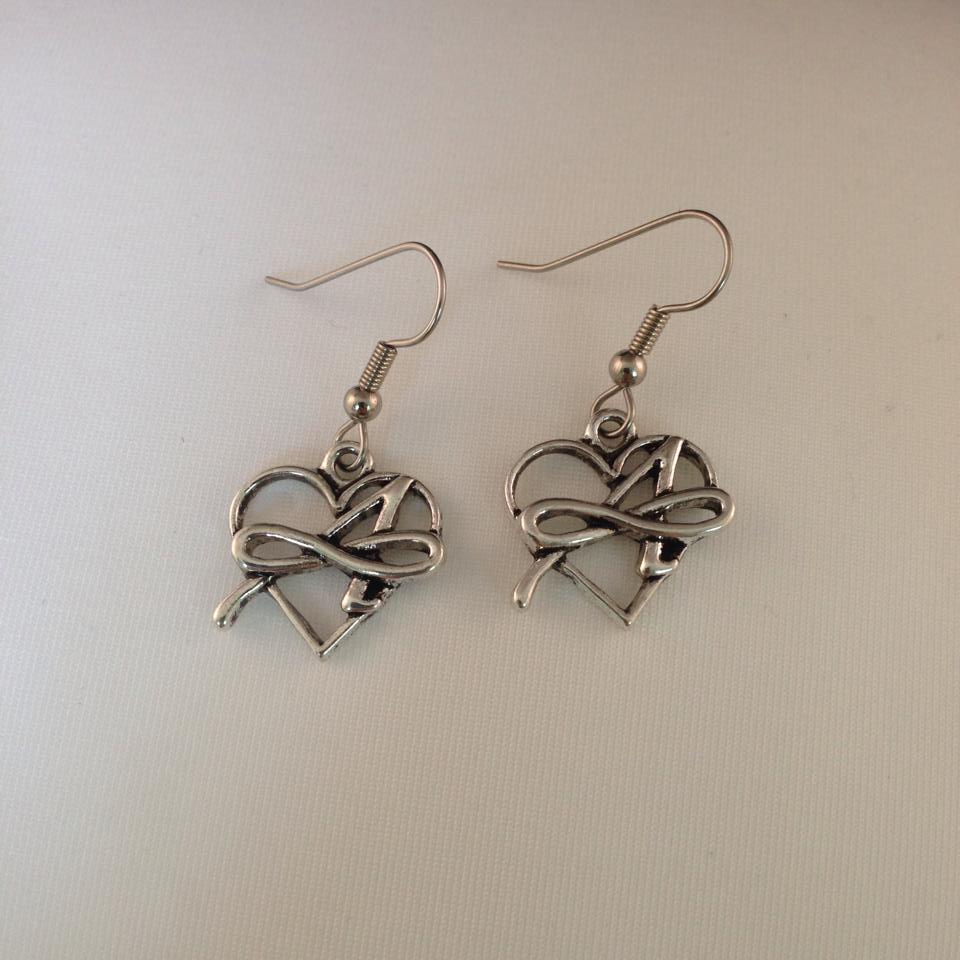







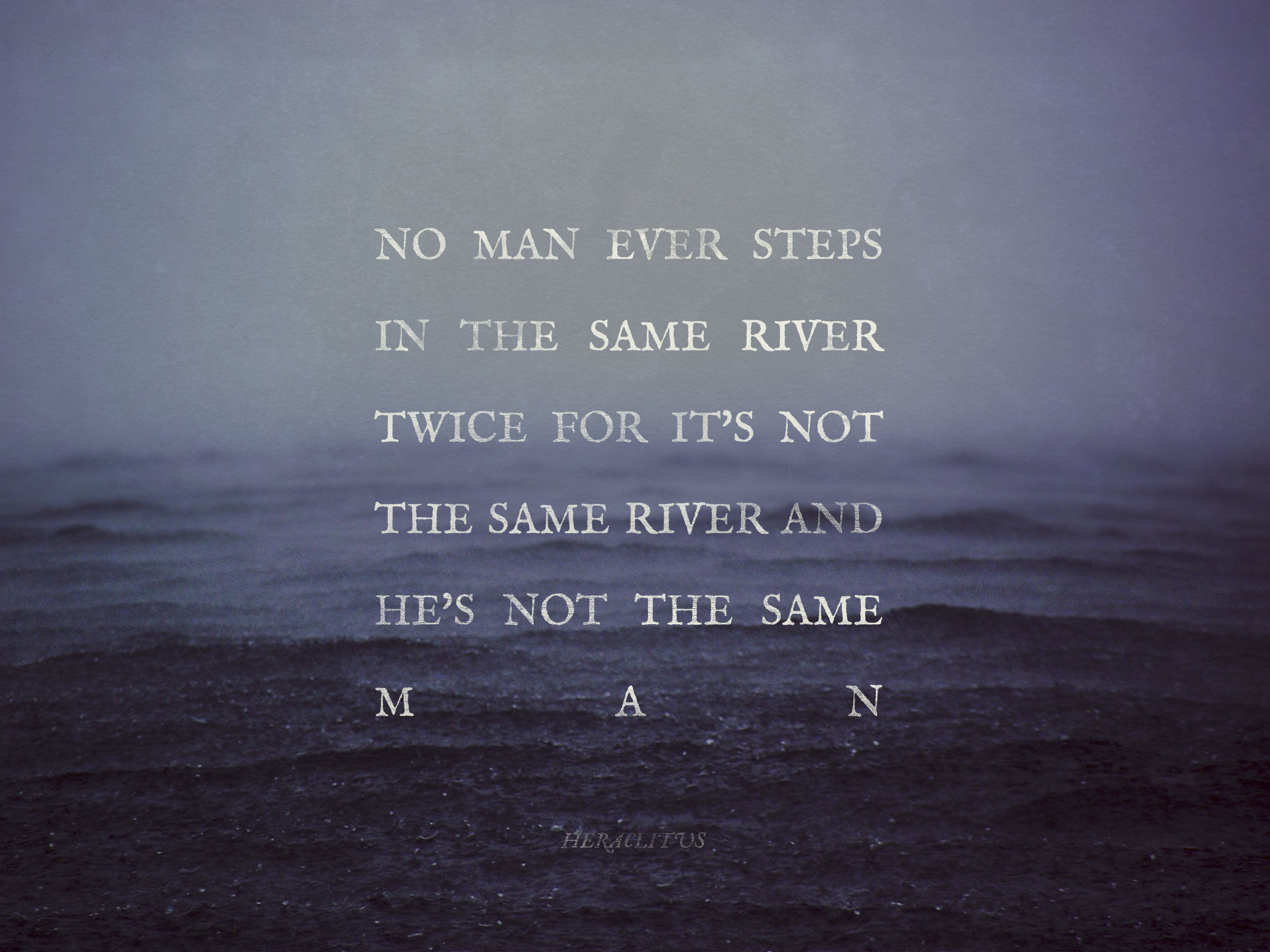








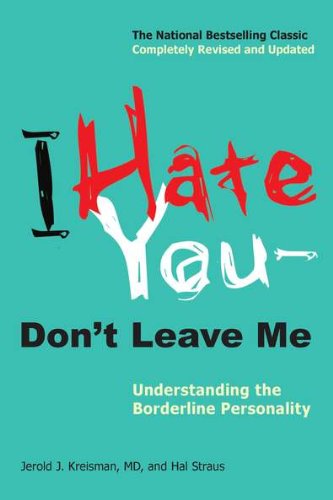

 Skepticism, Properly Applied